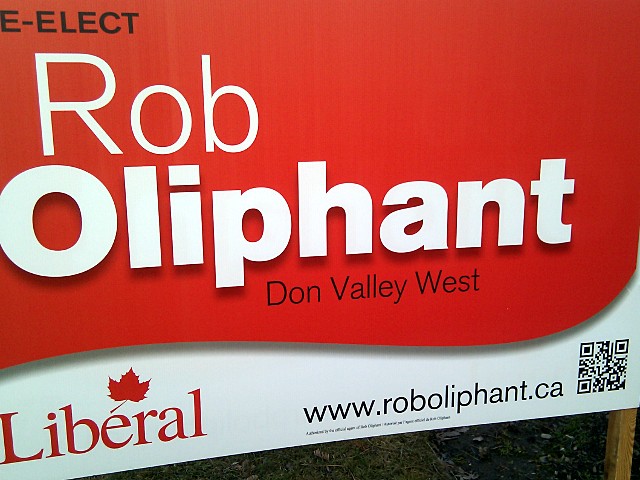
This is the first time I’ve spotted a QR code on an election sign, right down there in the bottom right corner. Rob Oliphant, Liberal candidate for Don Valley West, has them on all of his signs, though I haven’t seen them on the signs for other Liberal candidates. Are any other candidates around the city using QR codes? I was hoping that this one would be a direct link to Oliphant’s views on UBB, mobile competition, digital law, or something else that might be of particular interest to the kind of person who would use a QR code, but it just links to the main page of his web site. Still, kudos to him (or someone on his campaign team) for thinking to put the code on his signs.
Author: Val Dodge
Austin miscellany part 1
I’d written this post before I took my winter blogging break, but never quite got around to posting it. So, a few months late, here’s a random collection of sights I saw in Austin last year. There’s one more of these, and if I’m feeling energetic, I may eventually get around to that post about Calgary that I promised a year and a half ago.
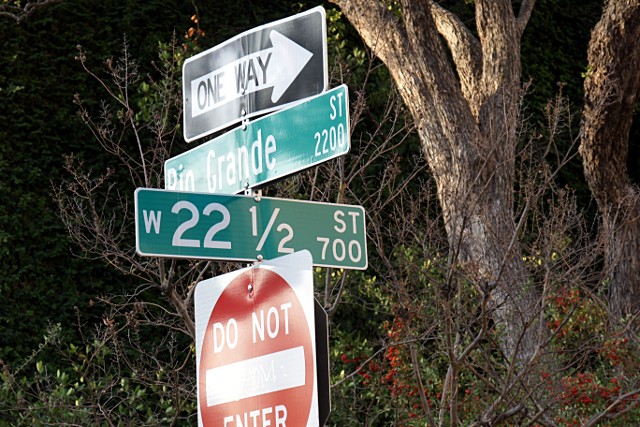
The big problem with giving streets numbers instead of names is that occasionally, you need to squeeze in an additional street and are left with a dilemma: do you renumber all of the streets above it or come up with a new name? In Austin, there are a few of these half-streets downtown. They’re all just a few blocks long and thus don’t intersect whichever main street necessary to qualify as a full street.
From a Torontonian’s perspective, the transportation infrastructure of Austin outside of downtown seems to be overbuilt. As in any North American city, there’s lots of room for cars, but in Austin, everything seems to be a big four-lane road leading to lots of huge, three-quarters-empty parking lots. The picture below was taken just off a major highway at the T-intersection of two broad four-lane roads. In the ten minutes I was walking around the intersection mid-morning on a Friday, maybe three cars went past. The mall parking lot at the top of the T had about a dozen cars in it with room for a hundred and fifty more. My quiet two-lane residential street in east-end Toronto sees way more traffic than this crossroads.
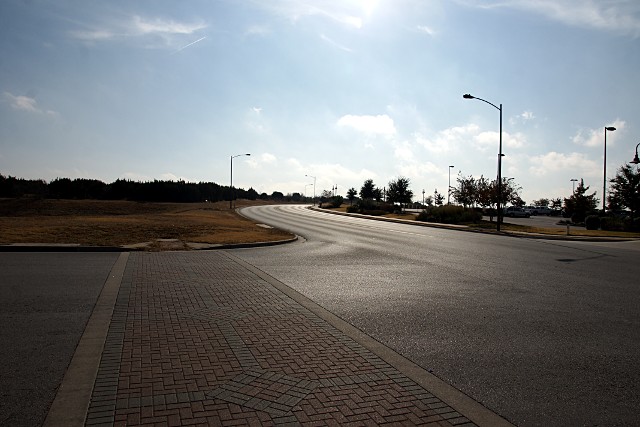
Despite the overbuilt car infrastructure, there are some nice touches for pedestrians. Many crossings receive a different surface treatment (as the bricks above) to alert drivers, and many curb cuts are textured to provide grip and warning to pedestrians that they’re entering a roadway. Still, despite the fine detail on the road crossing here, there isn’t a sidewalk in sight on the other side.
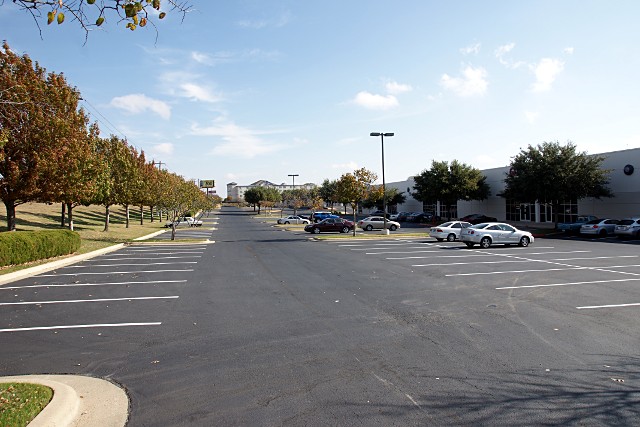
Here’s just one example of the many empty parking lots I encountered on my trip, this one at a business park on Friday morning. Not all parking lots were this empty, but it was common enough to make me wonder why parking was so abundant.
I also didn’t understand this sign, which I saw at the local Taco Cabana on my first day in Austin:
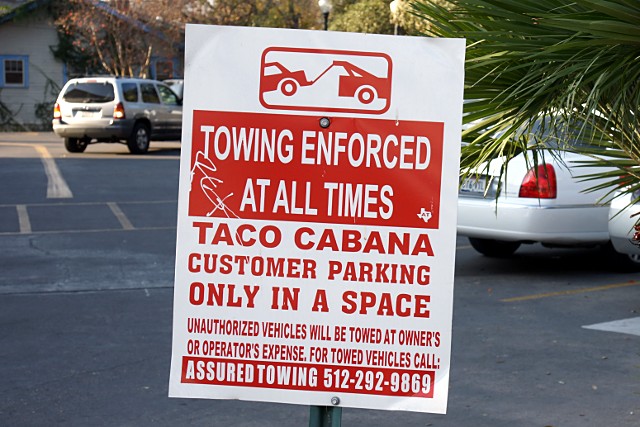
I thought it was strange that the sign carried an admonition to park “only in a space,” but chalked it up to poor writing or a bad translation. However, after spending a couple of days in the city, I understood the reason:
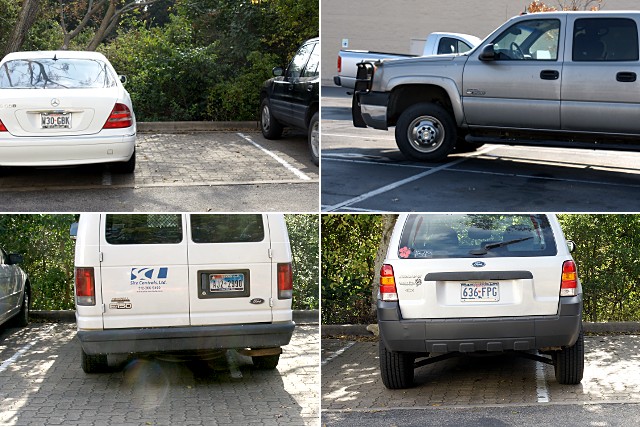
As far as I can tell, no one in Austin can park. Every parking lot I visited abounded with cars taking up two or more spaces. Straddling a line was the most common infraction, but it wasn’t at all rare to see cars parked diagonally across spaces, in the lot aisles, blocking doors or curb cuts at building entrances, in the middle of crosswalks, and just generally ignoring all of the standard rules of conduct in parking lots. Maybe this is why parking seemed so abundant: city planners order up three times as many spots as necessary at any given building, figuring that each car is going to take up two or three spaces.
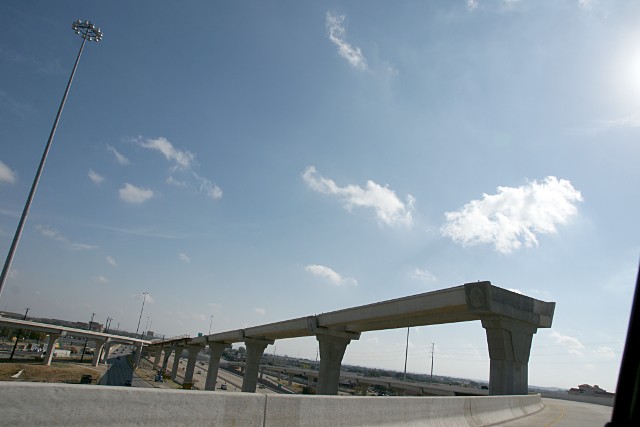
Another oddity was the number of flyovers, ramps, overpasses, and underpasses that, like this one, just seemed to end somewhat prematurely with no sign of ongoing construction. It looks like they just build a section and then wait months or years until money is available to build the next section. It seems like a highly inefficient approach to infrastructure.
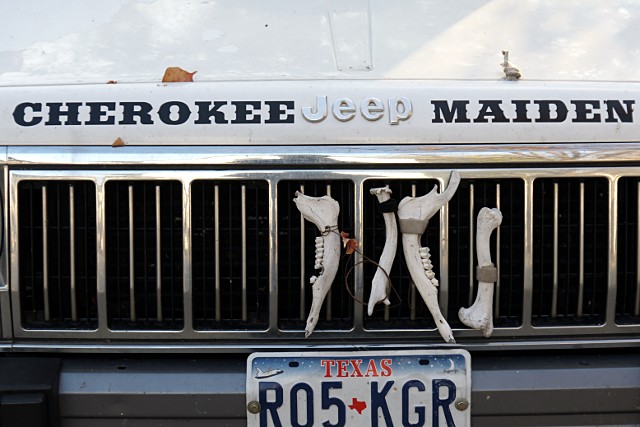
This being Texas, people take their trophies roadkill very seriously:
The first ad of thermodynamics
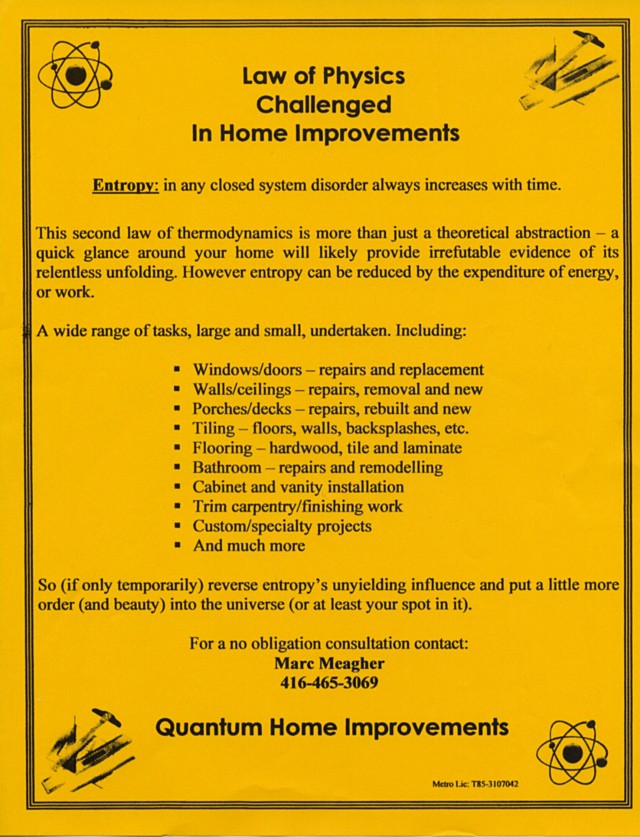
I toss the vast majority of flyers we receive straight into our oversized recycling bin, but this one caught my attention:
Any contractor who invokes thermodynamics in his advertising—indeed, makes it central to his sales pitch— deserves at least some consideration the next time we’re having work done.
Which Berners-Lee?
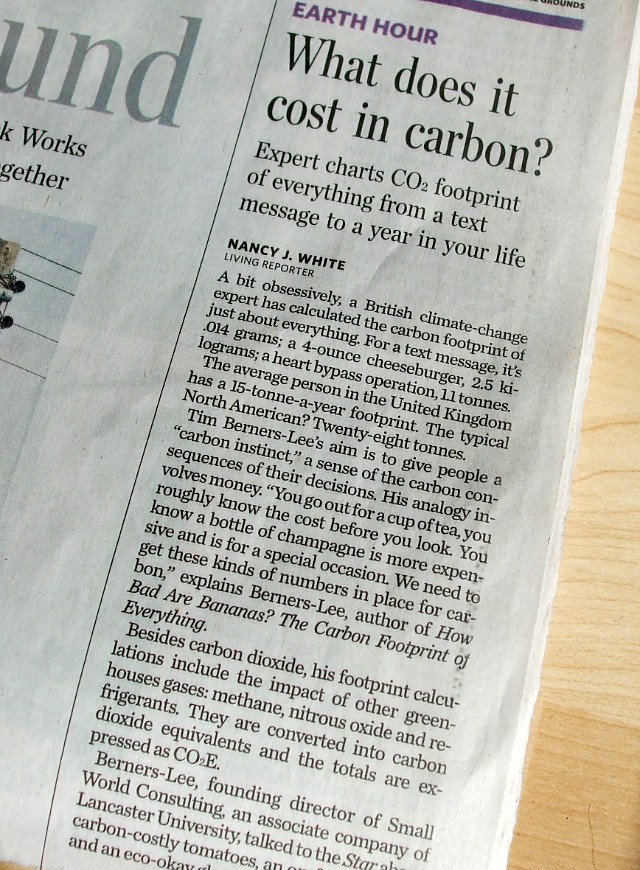
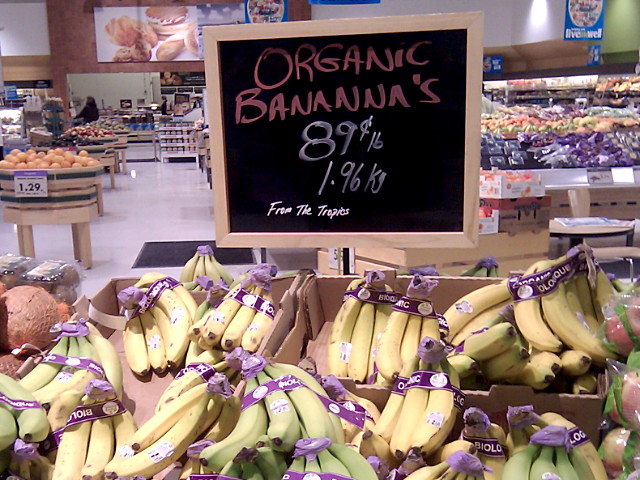
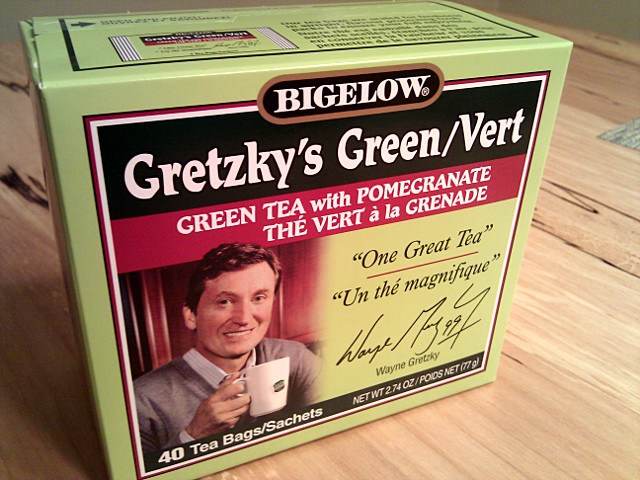
It’s not every day that you read a story about Tim Berners-Lee that doesn’t mention his primary claim to fame, that he invented the World Wide Web. It’s even less frequent that you see him referred to as a “climate-change expert” without mentioning his long history in computing. That would be because the author of How Bad are Bananas?, the book featured in this story in today’s Star, is not Tim Berners-Lee as identified in the third paragraph, but is in fact Mike Berners-Lee. The Star has already issued a correction and fixed the online version of the story, but I predict ongoing confusion for poor Mike: Amazon.ca currently catalogues the book under Lee M. Berners.
Also listed in the Star‘s correction today is a story about thorium, which originally stated that it has two fewer atoms than uranium. Let’s see, if uranium has one atom and thorium has two fewer, would that make thorium, with its -1 atom, antimatter? No wonder people are so excited about it.
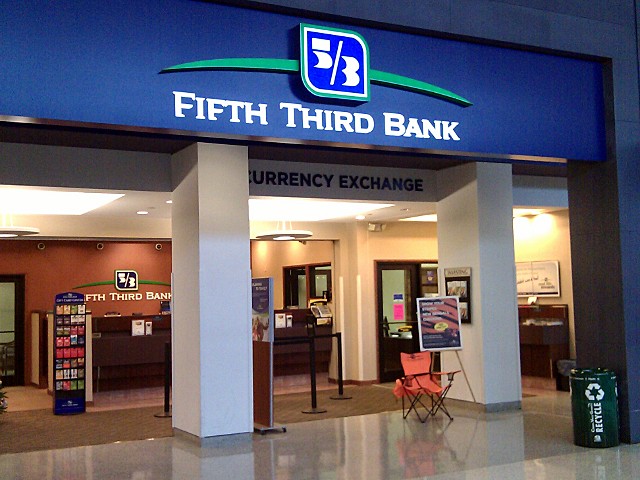
How many third banks are there?
The first four Third Banks didn’t quite make it, but the Fifth one got the formula just right.
Al Peck's new gig
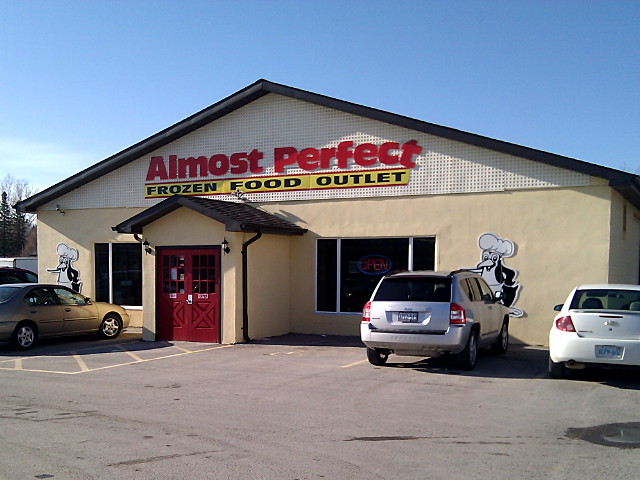
Almost Perfect‘s website says that they concentrate on producer overstocks and not, as you might think from the name, pre-loved or refurbished food. The food here has not been previously enjoyed or lady-eaten, and you’re not walking into a store filled with seconds and remnants.
This picture is of their Peterborough location (which stands directly across the street from fireplace store Friendly Fires), but fear not big-city dwellers: they do have a Toronto location.
No word on whether the Circus Lupus tickets are still available:
Who's minnding the store?
The problem with hand-written signs is that there’s no spell-check to fall back on. This sign in a local Loblaws, which combined two errors in one word, was the very first thing customers would see upon entering the store a couple of weeks ago. Spelling flames aside, it created the impression that the people there just don’t care: whoever wrote the sign couldn’t be bothered to check the spelling of a common word and either no one else noticed or they didn’t say anything. It certainly makes me even warier than usual when it comes to trusting that the food isn’t mouldy or short-dated.
I've been stereotyped
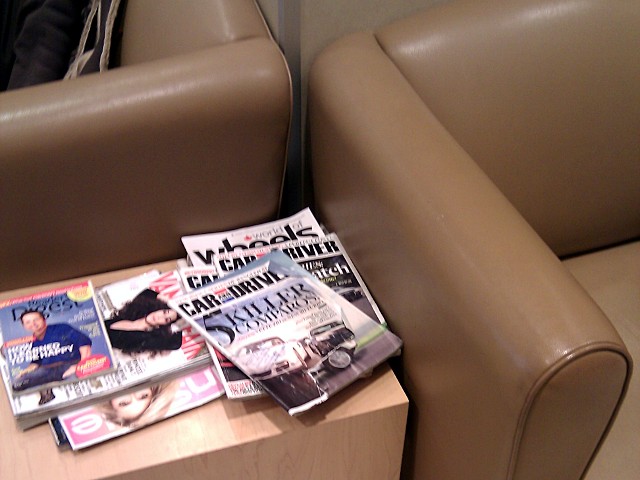
At least one Reitmans store is thoughtful enough to outfit its hubby lounge with some reading material. Unfortunately, aside from the single copies of Vanity Fair, Reader’s Digest, and InStyle, the stack of magazines is made up exclusively of old issues of Car and Driver and World of Wheels. What, no Momentum or Dandyhorse?
A useful bit of whimsy
Much Toronto infrastructure is notable for its absolute devotion to utilitarianism, so it’s always a pleasant surprise to happen across a piece that combines utility with thoughtful design. This catch basin grate, located just a few steps north of the Leaside Bridge, was installed after the road was resurfaced late last autumn. Toronto has long participated in the Yellow Fish Road program, but incorporating the image of a fish directly into the grate is a nice touch that both looks great (mud and trash notwithstanding) and delivers a message.
These grates seem to have been around Ottawa for a while, and seem to be one of at least two fishy designs currently on the streets of Toronto.